
Te Pākau Maru is a multi-stage residential development located on Beresford Street in New Brighton, Christchurch. The project brings together several sites across the eastern, central, and western lots to transform previously underutilised land into a coordinated, higher-density housing development.
The site is underlain by coastal sandy soils and has been developed in stages, with multiple building blocks constructed across a constrained urban footprint. Foundation systems typically comprise ground beams supported by timber piles founded within native sands, reflecting the local ground conditions and urban context.
A Detailed Environmental Site Investigation (DSI) was undertaken to support redevelopment and satisfy Christchurch City Council requirements under the National Environmental Standard for Assessing and Managing Contaminants in Soil to Protect Human Health (NES).
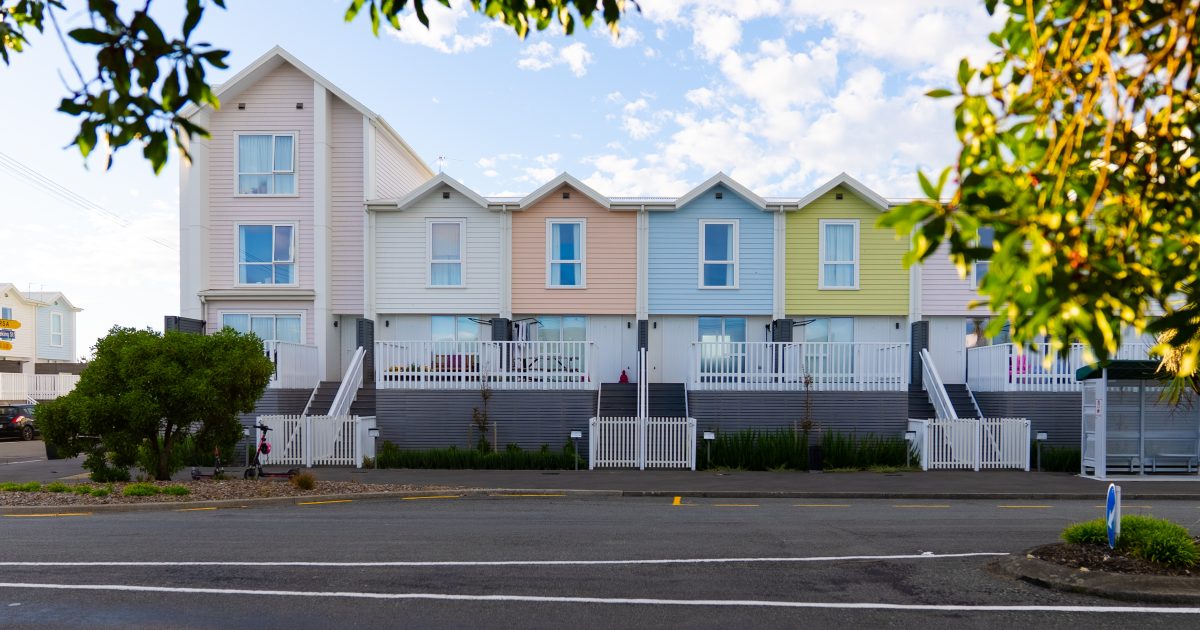
ENGEO was engaged to support the project from early investigation through to construction, providing integrated geotechnical and environmental services. This included geotechnical investigations, foundation design reviews, and ongoing construction monitoring to verify that ground conditions were consistent with design assumptions and to support safe and effective foundation construction.
During construction, ENGEO undertook site observations and testing to assess subgrade conditions, identify variability in sandy soils, and provide recommendations where localised areas of uncontrolled fill or loose material were encountered. Environmental support included preparation of site summary reporting following remedial works, documenting the removal and disposal of contaminated material and confirming alignment with the remedial action approach.
This staged involvement enabled a consistent approach across multiple sites, supporting coordinated delivery and providing confidence in both geotechnical performance and environmental compliance.
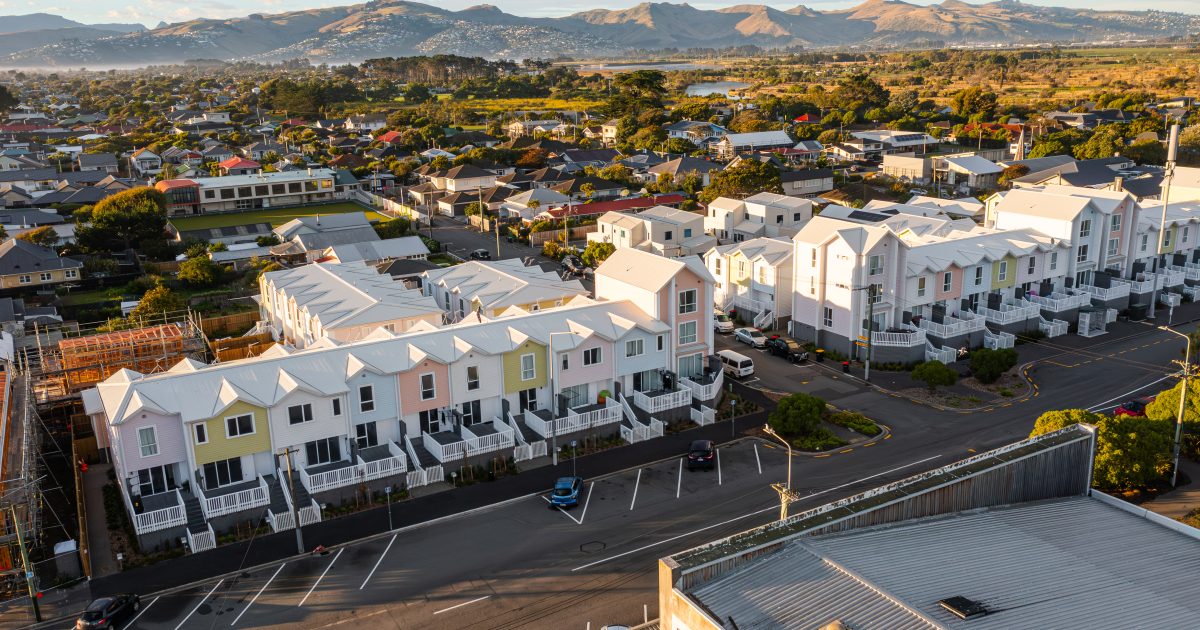
The project was shaped by variable ground conditions typical of coastal Christchurch, including loose near-surface sands and localised areas of uncontrolled fill encountered during excavation. These conditions required careful verification and, where necessary, removal and replacement of unsuitable material to achieve appropriate founding conditions.
Working across multiple sites and stages within a constrained urban environment also required a flexible and responsive approach to construction monitoring. ENGEO worked closely with the contractor to align inspection timing with construction activities, allowing efficient progression of foundation works while maintaining appropriate quality control.
In addition, the presence of previously impacted ground required an environmental response. ENGEO supported the project by documenting remedial works and confirming that contaminated materials were managed and disposed of in accordance with regulatory expectations, supporting the site’s suitability for residential use. This work provided a clear pathway for regulatory compliance under the NES and ensured the site could be safely redeveloped for residential use with appropriate environmental controls in place.